← All environments · Zenyth Labs home
Egocentric data collection · Manufacturing & industrial work
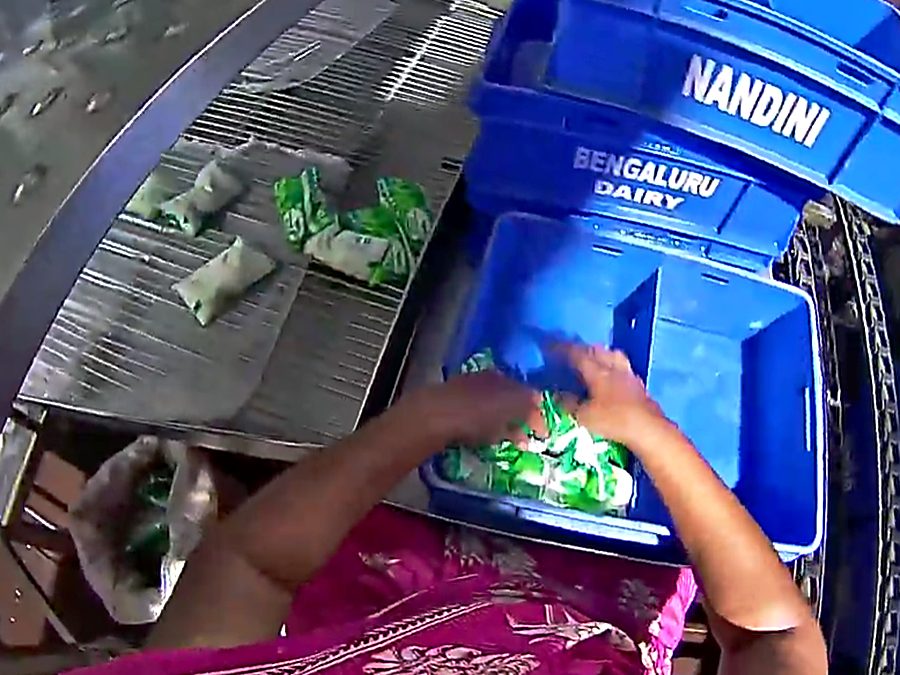
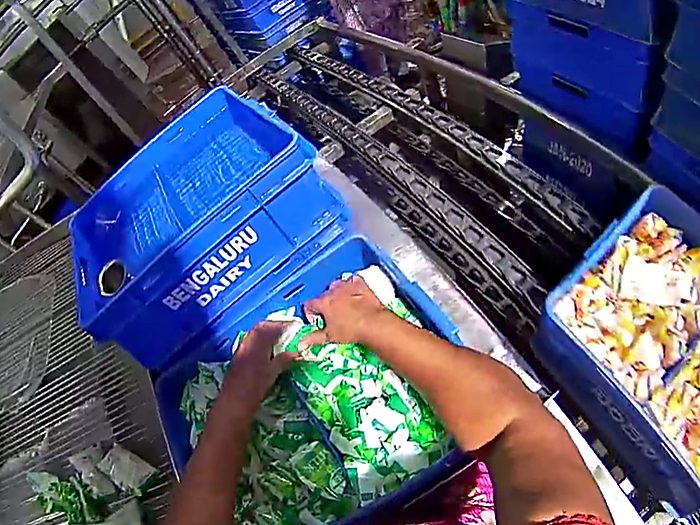
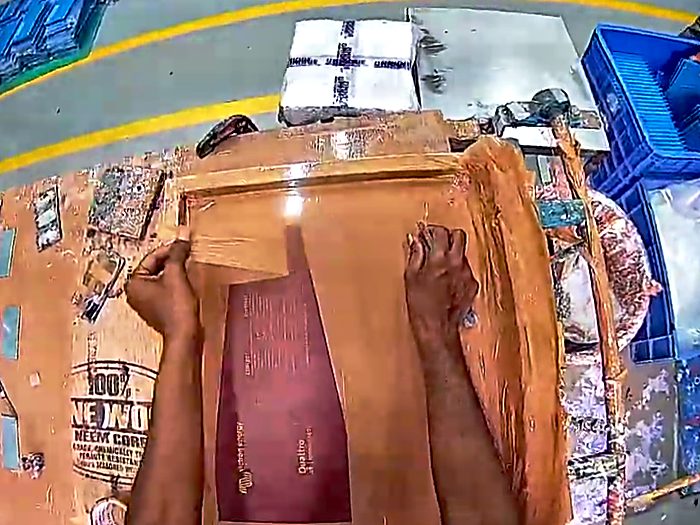
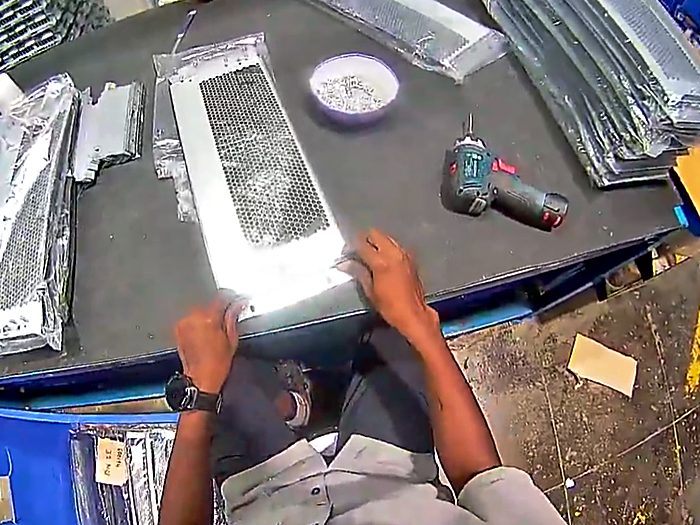
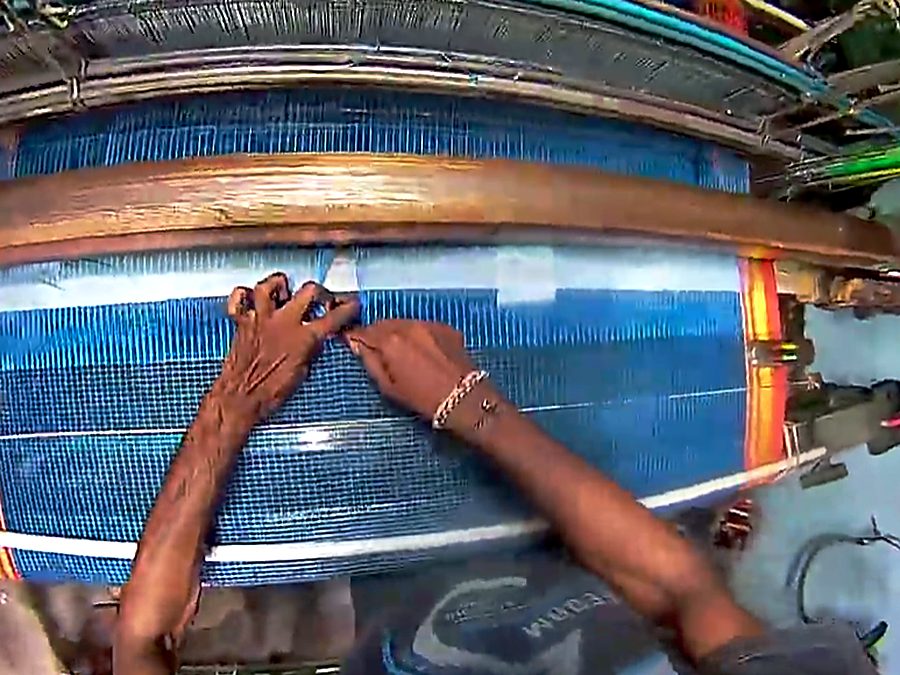
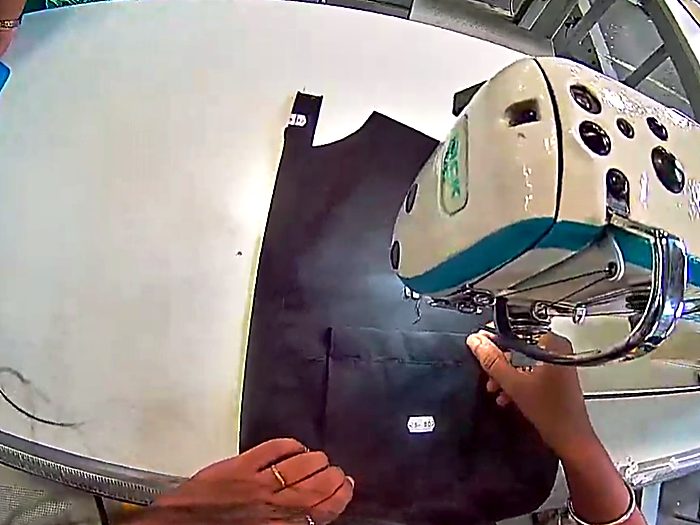
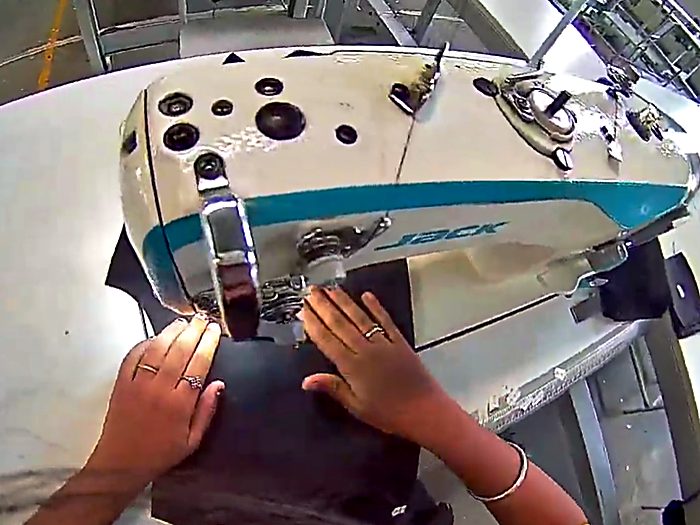
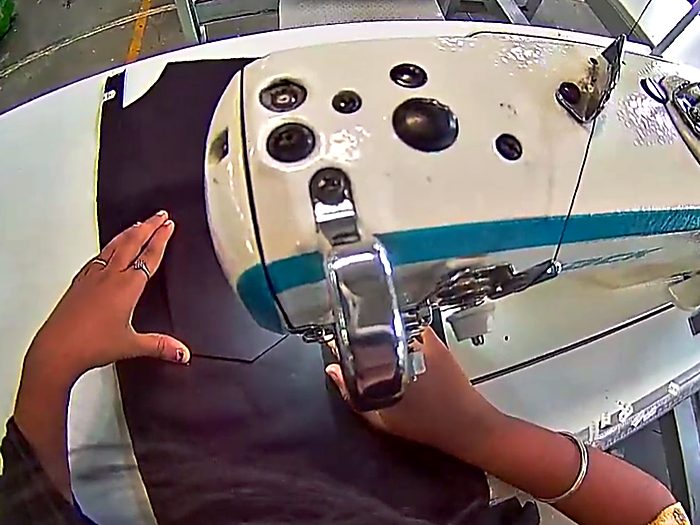
We collect egocentric video, hand interaction and motion data from real manufacturing and industrial work (sorting, packing, machine tending, weaving and stitching) for teams building Physical AI and robotics.
Captured on working production floors, not staged for the camera.
Proof of value
Across the environments we work in (manufacturing included), we don't argue data quality on a call. We ship footage, teams run it through their own pipelines, and the next order follows.
80,257
hours of first-person footage delivered
Shipped to teams and running in their pipelines today, and counting.
What we capture
From packaged-goods lines to handloom weaving and garment stitching: the fine hand movements that make up industrial and craft production.
This is the widest environment we cover. Factory-line sorting and packing sit alongside handloom weaving and machine stitching, because both involve the kind of precise, repeated hand interaction robotics models need to learn from.
Why industrial data
01
Sorting, packing and stitching involve fine, repeated hand movements that vary subtly session to session.
02
People work alongside conveyors, looms and machines: the handoff between human and machine action is part of the data.
03
Handloom and garment work sit next to factory-line packing in the same environment category, capturing both traditional and modern production.
How it works
01
We agree the tasks, environments, modalities and scale with your team.
02
Trained participants record real work in real places, to a written protocol.
03
Visual and motion signals are aligned to one timeline for every session.
04
Sessions are checked against the brief before they move any further.
05
Structured, documented data lands in your storage in the format you train on.
Other environments
Field and garden work under changing daylight, uneven ground and unstructured surroundings.
Cutting, fixing and handling materials on active sites, with tools and protective gear in frame.
Cooking, washing and preparing food. The ordinary manual tasks that fill a working home.
Get in touch
Tell us the task, environment, modalities and scale. We'll design the collection around your requirements.
Start a paid pilot